
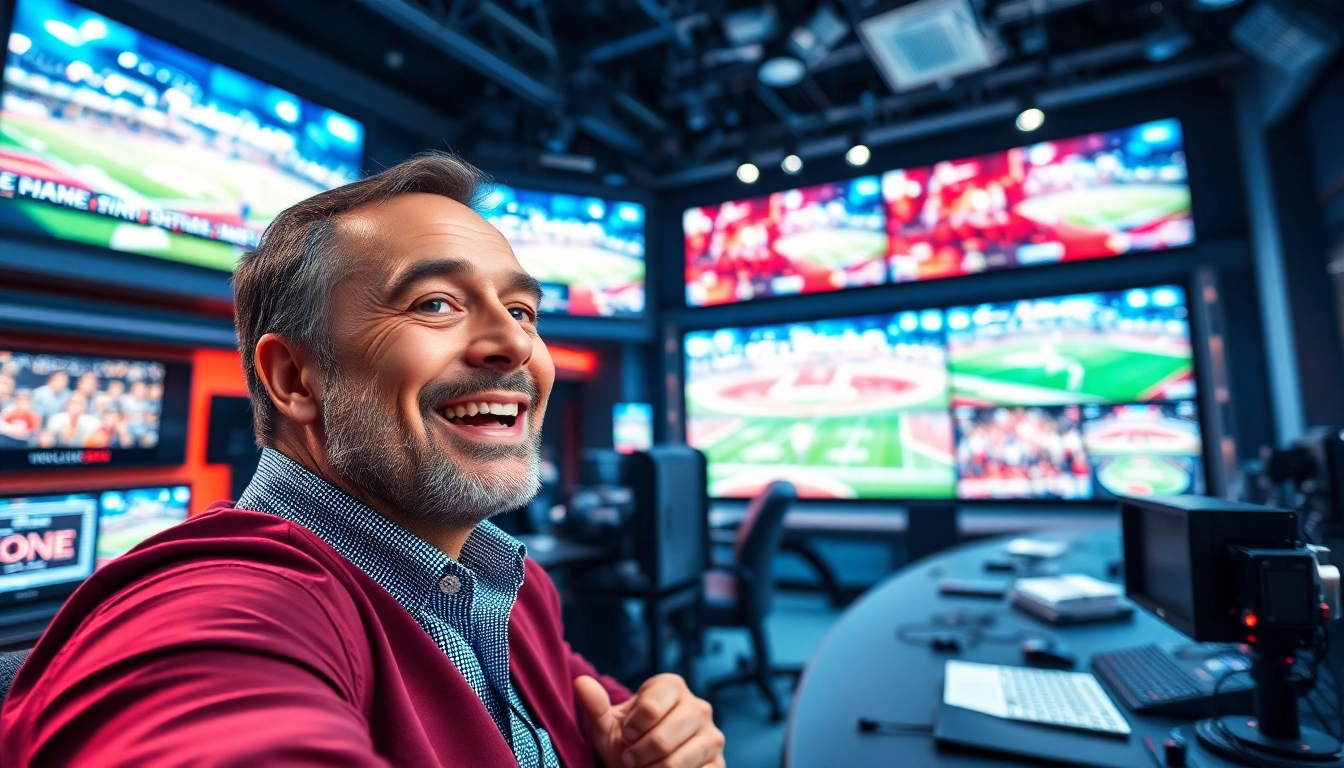
The Evolution of Sports Broadcasting
Sports broadcasting has transformed dramatically over the decades, evolving from simple radio broadcasts to immersive, multi-platform digital experiences. This journey shaped how fans engage with their favorite sports and athletes. An essential part of this evolution is understanding the milestones that marked each significant phase. Whether you're a sports enthusiast or a professional in Sports Broadcasting, appreciating this history enhances your grasp of current trends and future directions.
Historical Milestones in Sports Broadcasting
The roots of sports broadcasting can be traced back to the early 20th century. The first-ever radio broadcast of a sporting event occurred in 1921, when a baseball game between the College of the City of New York and Columbia University was aired. By the 1930s, sports broadcasting had gained popularity, with networks like NBC and CBS entering the fray. The introduction of television in the 1950s revolutionized the way sports were consumed, making it possible for millions to experience the thrill from home.
The 1980s introduced cable sports networks, notably ESPN, which drastically changed the landscape. With 24-hour coverage of sports, niche content became prevalent, catering to diverse interests, creating fan communities around lesser-known sports. Fast forward to the internet revolution; live streaming and social media platforms emerged as a powerful force, allowing for real-time engagement and content sharing. This accessibility has redefined audience involvement, making sports broadcasting an interactive experience.
Technological Advances Shaping Present-Day Broadcasting
Today, sports broadcasting stands at the crossroads of traditional media and innovative technology. High-definition television has been a game-changer, providing viewers with stunning visuals and enhanced audio for a more immersive experience. The rise of multi-camera angles and instant replay systems has allowed broadcasters to deliver rich storytelling, offering viewers a comprehensive understanding of the action.
Advancements in augmented reality (AR) and virtual reality (VR) are also reshaping how audiences perceive sports. These technologies enable stunning visual features, such as real-time statistics overlays and 360-degree highlights of plays, ensuring fans do not miss a moment. Furthermore, artificial intelligence is being utilized for analyzing game footage and enhancing viewer engagement through personalized content delivery and recommendations.
Emerging Trends in Sports Broadcasting
As technology continues to evolve, several key trends are emerging in the sports broadcasting domain. The incorporation of social media is significant; platforms like Twitter and Instagram are integrated into broadcasts, allowing fans to interact in real-time and share their thoughts, deepening their engagement.
Another trend is the increasing popularity of streaming services over traditional cable, driven by the desire for flexibility and convenience. Viewers no longer want to be tied to rigid schedules; they favor on-demand content that fits their lives. This shift is leading broadcasters to adapt their strategies by implementing more flexible viewing options and shorter highlight reels.
Key Elements of Effective Sports Broadcasting
To excel in sports broadcasting, selecting key elements that contribute to an outstanding viewer experience is essential. Understanding your audience and how to engage them is paramount in this competitive landscape.
Understanding Your Audience and Their Preferences
To build a loyal fan base, broadcasters must understand their audience’s demographics and viewing habits. Conducting viewer surveys, analyzing data, and utilizing analytics tools can provide insights into viewer preferences. Broadcasting should adapt content to cater to fans' interests, whether through chosen sports, region-specific coverage, or engaging with different age groups.
For example, younger audiences gravitate towards associations with their favorite athletes and teams, while older viewers might appreciate in-depth analysis and traditional coverage. Tailoring content through targeted strategies fosters a deeper emotional connection with viewers, enhancing loyalty and engagement.
Crafting Engaging Narratives for Viewers
Crafting compelling narratives is pivotal. Viewers desire more than just play-by-play commentary; they crave stories that resonate emotionally. Broadcasters can enhance the viewer experience by integrating anecdotes about athletes, historical context about teams, and highlights focusing on the personal journeys of players.
This approach not only captivates the audience but makes them feel part of the narrative. Integrating storytelling techniques, such as building tension or celebrating triumphs, engages viewers on multiple emotional levels, creating a rich experience.
Balancing Facts with Entertainment
Effective sports broadcasting requires a delicate balance between delivering critical facts and providing entertainment. While accuracy is paramount, maintaining viewer interest involves a lively presentation style. Broadcasters should infuse humor, passion, and energy into their delivery, ensuring facts don't overshadow the overall excitement of the event.
This balance can be achieved through a well-curated approach where analysis flows naturally within entertainment. The combination guarantees that audiences not only receive information but also enjoy the experience, keeping them coming back for more.
The Role of Technology in Sports Broadcasting
Technology’s role in sports broadcasting cannot be overstated. It not only sets the stage for how events are covered but also enhances viewer interactions.
Utilizing Graphics and Visual Effects
Effective use of graphics and visual effects can make broadcasts more engaging and informative. Graphics can illustrate statistics, player bios, or live scores, contributing significantly to viewer comprehension and retention. Interactive graphics allow audiences to explore data in real-time, enabling a deeper understanding of strategies and performance metrics.
Moreover, attention-grabbing visual effects, such as dynamic transitions, countdown timers, and instant replay footage create a pulse on the production value, keeping viewers riveted and invested in the broadcast.
The Impact of Social Media on Broadcasting Strategies
Social media has reshaped broadcasting strategies, offering an immediate channel for interaction and engagement. Broadcasters utilize platforms for promotional campaigns while interacting with viewers in real-time during live events. This two-way communication fosters a sense of community among fans and strengthens their bond with the broadcast.
By leveraging social media analytics, broadcasters can gauge audience sentiment and adjust their content strategies accordingly. Engaging with viewers through polls, live Q&As, and behind-the-scenes content can significantly enhance the viewing experience and encourage discussions around broadcasts.
Innovation in Live Streaming Techniques
Live streaming technology has revolutionized sports broadcasting, offering real-time access to events on various devices, from smartphones to smart TVs. This trend allows fans to choose when and how they watch their favorite events, creating flexibility that traditional broadcasting lacks.
Adopting high-quality streaming techniques and optimizing platforms for performance ensures seamless viewing experiences, vital in retaining audiences in a competitive landscape. Innovations like multi-platform streaming and virtual reality experiences are pushing the boundaries even further, catering to the ever-increasing demand for immersive content.
Challenges Faced in Sports Broadcasting
While the sports broadcasting landscape is rich with opportunity, several challenges persist that broadcasters must navigate effectively to thrive in this competitive environment.
Navigating Copyright Issues
One of the most significant challenges in sports broadcasting is managing copyright issues. Ensuring compliance with league and event regulations is crucial to avoid legal pitfalls. Broadcasters must negotiate rights deals meticulously, ensuring they can air content without infringing on intellectual property rights.
Furthermore, as streaming and digital platforms grow, different copyright regulations may apply, complicating existing practices. Understanding the legal landscape and staying informed about changes is essential for ensuring uninterrupted broadcasting.
Competing for Audience Attention
With the increasing number of platforms available, competing for the audience's attention has never been more challenging. Broadcasters must create unique, high-quality content that stands out to attract viewers. Incorporating interactive features, engaging narratives, and customized viewing experiences can differentiate offerings.
Additionally, analyzing viewership patterns and audience preferences can assist broadcasters in understanding what works and allows them to tailor their strategies accordingly.
Adapting to Changing Viewer Behavior
As viewer behavior continues to shift, particularly with younger generations gravitating towards on-demand and mobile viewing, broadcasters must adapt accordingly. This shift calls for flexibility in programming, adopting diverse formats to accommodate varied viewing habits.
Through innovative content distribution strategies and embracing emerging technologies, broadcasters can ensure they stay relevant and keep their audience engaged, regardless of shifting viewing patterns.
Measuring the Success of Sports Broadcasting
To understand how well sports broadcasts are performing, effective measurement strategies must be put into place. Evaluating success goes beyond viewership numbers; various factors contribute to the overall impact of a broadcast.
Key Performance Indicators for Broadcasters
Setting Key Performance Indicators (KPIs) is essential for data-driven decision-making in broadcasting. Metrics might include viewer ratings, engagement rates on digital platforms, social media interactions, and audience demographics. Tracking these KPIs provides insights into what resonates with the audience and where there’s room for improvement.
Frequent reviews of these indicators help broadcasters stay nimble, allowing them to adjust strategies to optimize viewer retention and engagement effectively.
Feedback Mechanisms and Viewer Engagement
Feedback mechanisms are pivotal for gaining insights into viewer experiences. Conducting surveys, enabling interactive polls during broadcasts, and liaising with fans through social media channels are effective ways to gather opinions and preferences. Understanding viewer satisfaction leads to more tailored content strategies that resonate with their interests.
Furthermore, building an active online community fosters engagement and loyalty, turning casual viewers into dedicated fans.
Future Outlook and Strategic Planning
Anticipating future trends is crucial for long-term success in sports broadcasting. Forward-thinking broadcasters continually evaluate emerging technologies, audience preferences, and industry trends. Strategic planning ensures readiness to adapt and thrive amidst the ever-evolving landscape.
By forecasting potential shifts in viewer behavior and identifying new opportunities, broadcasters can position themselves ahead of competitors, ensuring sustainable growth and success in the industry.
FAQs About Sports Broadcasting
What is sports broadcasting?
Sports broadcasting is the live or recorded transmission of sports events to audiences via radio, television, or online platforms, aiming to entertain and inform fans.
What technologies are impacting sports broadcasting?
Technologies such as high-definition video, augmented reality, live streaming, and social media are significantly reshaping the standards and methods of sports broadcasting.
How do broadcasters engage their audience?
Engagement is achieved through dynamic commentary, social media interaction, polls during broadcasts, and storytelling that resonates with viewers on emotional levels.
What challenges do sports broadcasters face today?
Challenges include navigating copyright issues, competing for audience attention, and adapting to evolving viewer behaviors in a fast-paced digital environment.
How is success measured in sports broadcasting?
Success is measured by key performance indicators like viewer ratings, social media engagement, audience demographics, and feedback mechanisms that gauge viewer satisfaction.